

Speech-Language Pathology in Naperville, IL
Speech Language Pathology for Children in Naperville, IL
What is Pediatric Speech Language Pathology?
Our Speech-Language Pathology (SLP) department believes in the assessment and treatment of children with speech, language, and feeding disorders from a holistic perspective. Understanding that communication occurs within the context of a caregiving support system, our goal is to improve communication and positive mealtime experiences by prioritizing goals that align with your child’s needs and values. Our therapists are trained to use principles of multidisciplinary collaboration, mindfulness, sensory integration, neurodevelopment treatment, and traditional models of speech language pathology to help guide assessment and intervention strategies. It’s our goal to help your child foster connections through positive mealtime experiences and clear communication, all while having fun at the same time.
Signs Your Child may Need Pediatric Speech-Language Pathology
As a lifelong student within the field of speech-language pathology our, lead speech language pathologist, Laura Sambrookes-McQuade, SLPD, CCC-SLP, obtained her doctor of speech language pathology from Northwestern University and has completed diverse continuing education coursework to support their work with children and families.
These courses include but are not limited to:
P.R.O.M.P.T (PROMPTS for Restructuring Oral Muscular Phonetic Targets)
5 Days of NDT in the Mouth
5 days of NDT
If You Can’t Breathe You Can’t Function
Feeding Therapy a Sensory Motor Approach
Prevention of Feeding, Speech and Mouth Development Problems
Northwestern University: The Autism Spectrum: Clinical, Biological and Cultural Perspectives
Autism Diagnostic Observation Schedule 2 (ADOS-2) Modules 1-4 Clinical Workshop
Mindful Educator Essentials Certificate
Mindfulness Fundamentals Certificate
Speech-Language Pathology Team
-
![]()
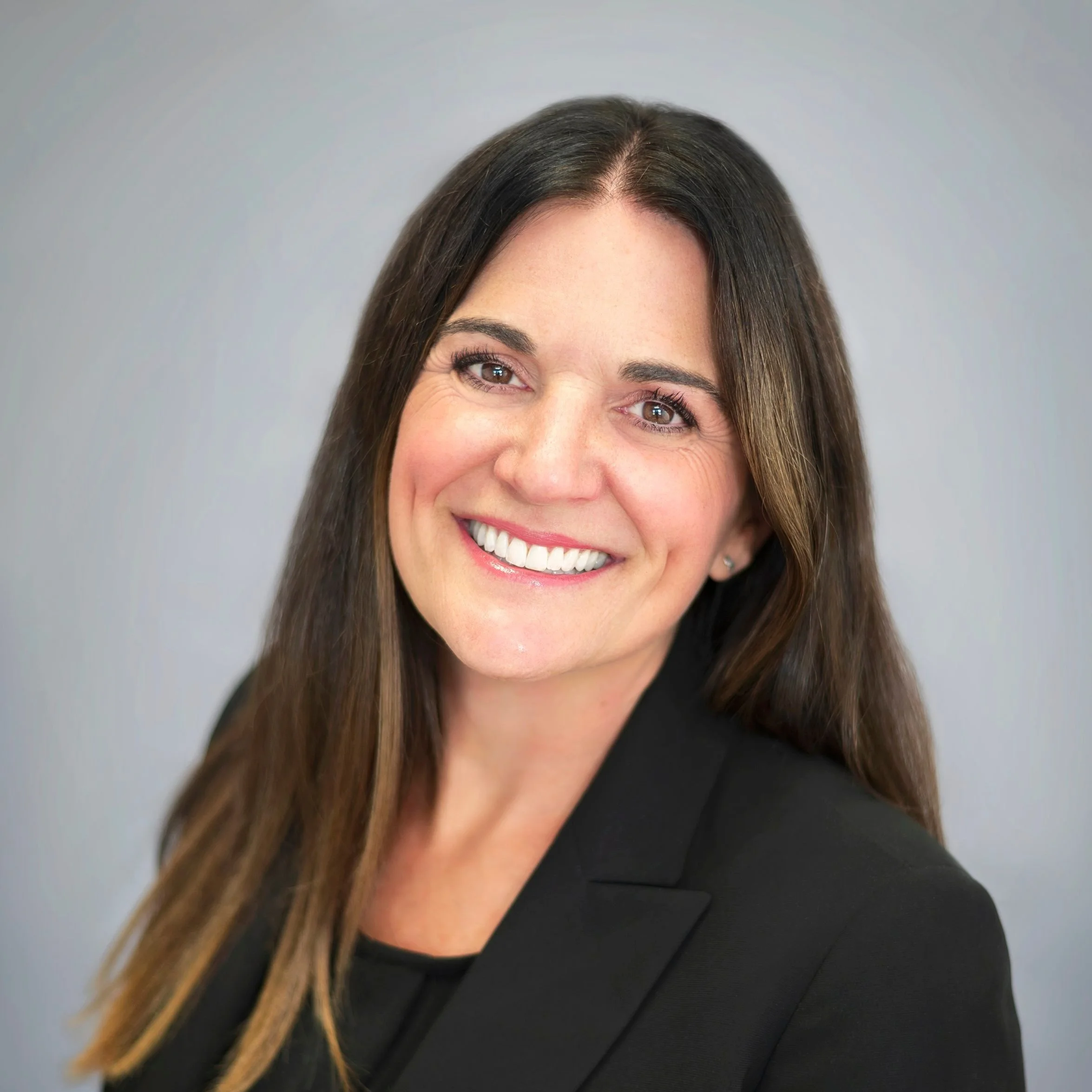
Dr. Laura J. Sambrookes-McQuade, CCC-SLP
Chief Executive Officer/ Speech Language Pathologist
-
![]()
Hannah Ahmad, MHS, CF-SLP
Speech Language Pathologist

Available Blogs

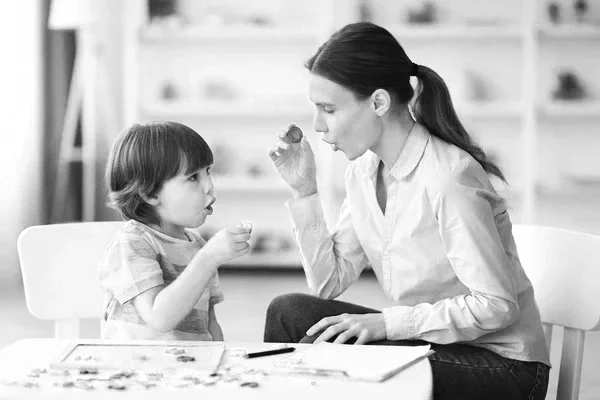
Gestures in Speech-Language Pathology- In speech-language pathology, communication extends far beyond spoken words—gestures play a vital role in helping individuals express meaning, emotions, and intent. This blog explores the different types of gestures, from descriptive and emotional to instrumental and emphatic, and how each supports language development and social connection. It also offers practical tips for parents to model and encourage gesture use at home to build communication confidence. Ultimately, gestures are powerful tools that bridge gaps, enhance understanding, and empower individuals to connect when words alone aren’t enough.
Finding My Voice: How Selective Mutism Shaped My Path as a Speech-Language-Pathologist- This heartfelt blog shares one individual’s journey with Selective Mutism a childhood anxiety disorder that makes speaking in certain situations feel impossible. Through therapy, support, and the compassionate guidance of a Speech-Language Pathologist (SLP), the author learned strategies to communicate and eventually found their voice. Inspired by that transformative experience, they chose to become an SLP themselves, dedicated to helping others overcome communication challenges with empathy and care. The story reminds parents to trust their instincts, early intervention and understanding can empower a child to speak with confidence and thrive.